Annville’s historic core offers walkable Main Street living, distinctive architecture and homes with generations of local history. It can also involve an additional review process for exterior work. This guide explains what buyers should verify before purchasing or planning renovations in the Annville Historic District.
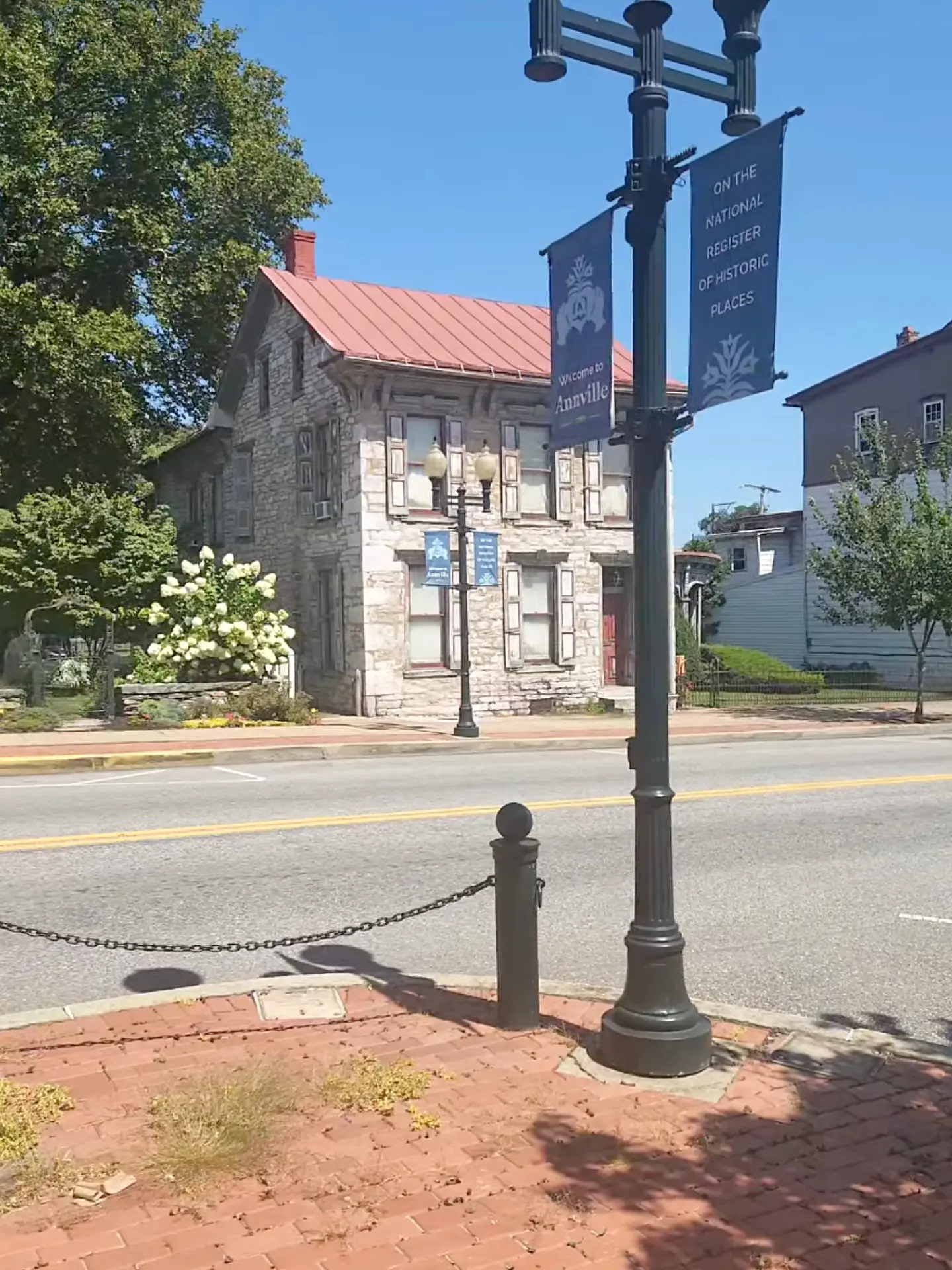 older-home inspection and maintenance guide.
etscape along Main Street” loading=”eager”>
Where Is the Annville Historic District?
Annville Township describes the regulated historic section as properties bordering Main Street from Saylor Street on the east to Quittapahilla Creek on the west. The district is recognized on the National Register of Historic Places. Parcel-specific status should be confirmed with Annville Township rather than inferred from an online map.
This map is for geographic orientation. It is not a parcel-level historic-district determination.
Historic District vs. Older Home Outside the District
| Question | Inside the regulated district | Older home outside it |
|---|---|---|
| Is the home’s age decisive? | No. Location within the district controls. | No. A century-old home may be outside the district. |
| Exterior changes | Applicable work must be reviewed through the Township’s HARB process. | Normal zoning and building-permit rules still apply. |
| Interior work | Ask the Township which permits apply; HARB’s stated oversight concerns exterior work. | Building, electrical, plumbing and zoning requirements may still apply. |
| Best confirmation | Provide the exact property address or parcel number to Annville Township. | |
What Does HARB Review?
The Annville Township Historic Architectural Review Board evaluates applicable construction, demolition and exterior alterations within the regulated section. HARB makes a recommendation; the Township Board of Commissioners acts on the Certificate of Appropriateness.
| Proposed work | Buyer’s next step | Do not assume |
|---|---|---|
| Windows, doors, siding or roofing | Ask whether the materials, design and visible elevations require review. | That a like-for-like replacement is automatically exempt. |
| Porch, addition, deck or accessibility work | Discuss zoning, building permits and HARB review together. | That HARB approval replaces other permits. |
| Signage or commercial façade | Confirm sign, zoning and historic-review requirements. | That an existing sign proves a new one will be approved. |
| Demolition | Contact the Township before making plans or cost assumptions. | That ownership alone guarantees permission to remove a structure. |
| Solar, mechanical equipment or exterior utilities | Ask how placement and visibility are evaluated. | That a contractor’s standard placement is acceptable. |
The Annville HARB Application Process
- Confirm that the address is within the regulated district and that the work requires review.
- Prepare the current HARB application.
- Include the requested photographs, product information, plans, elevations and material or color samples that apply.
- Submit the package by the Township’s current deadline. The application presently states ten calendar days before the scheduled meeting.
- Have the applicant or a knowledgeable project representative attend the meeting.
- Wait for action by the Board of Commissioners; the application states that HARB action is not final until the Commissioners act.
- Obtain every other required zoning or construction permit before work begins.
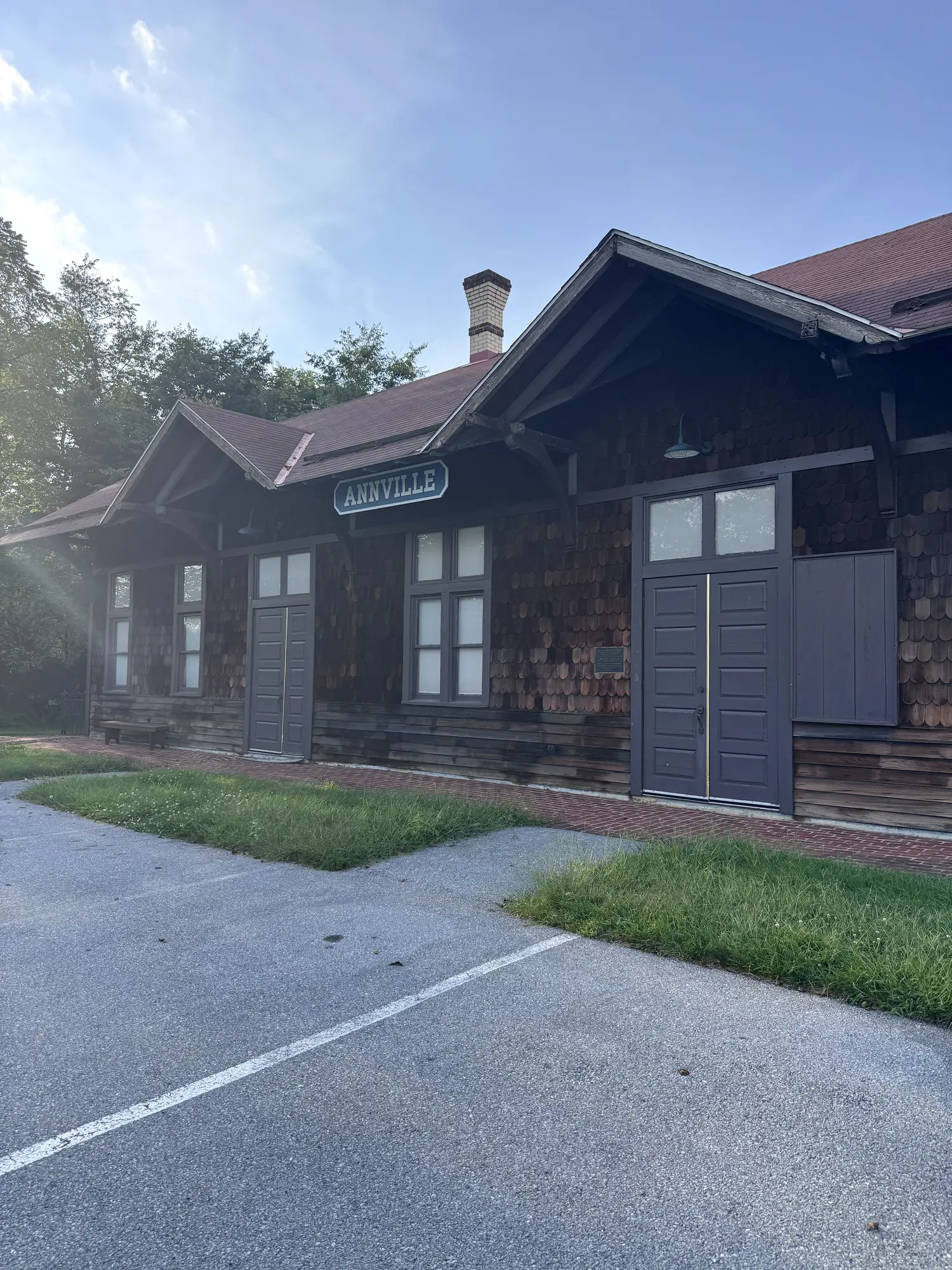
Historic-Home Inspection Checklist
| System | Questions for the inspection |
|---|---|
| Roof and drainage | Roof age, flashing, gutters, drainage paths and evidence of prior leaks |
| Foundation and masonry | Moisture, settlement, repointing materials, bowed walls and previous repairs |
| Windows and exterior wood | Condition, operation, rot, paint, storms and likely repair approach |
| Electrical | Service capacity, panel, grounding, visible older wiring and prior permits |
| Plumbing and sewer | Supply and drain materials, sewer lateral condition and evidence of leaks |
| Heating, cooling and insulation | Equipment age, fuel, distribution, comfort differences and realistic upgrade options |
| Additions and conversions | Permit history, structural integration, occupancy approval and consistent utilities |
| Environmental concerns | Discuss age-related materials and appropriate specialized evaluation with qualified professionals |
Questions to Ask Before You Buy
- Is the parcel inside the Township’s regulated historic section?
- Which exterior changes have received prior approval and permits?
- Are there open applications, notices or unresolved code issues?
- Which original features remain, and which systems have been replaced?
- Are renovation drawings, warranties, utility bills and contractor records available?
- Does the intended use comply with zoning, occupancy and parking requirements?
- Will the insurer or lender require additional documentation or repairs?
Related Annville Resources
- Annville Neighborhoods and Communities
- How to Research an Annville Property
- Understanding Annville Real Estate Boundaries
- Buying a Home in Annville
- Annville Homes for Sale
Frequently Asked Questions
Is every old house in Annville part of the Historic District?
No. A home’s age alone does not determine whether it is in the regulated district. Confirm the specific address with Annville Township.
Where is the Annville Historic District?
Annville Township describes the regulated section as properties bordering Main Street from Saylor Street east to Quittapahilla Creek west.
Does HARB review interior renovations?
The Township describes HARB oversight in terms of construction, demolition and alterations to the outside of properties in the district. Ask the Township which building permits apply to interior work.
Who gives final approval for historic exterior work?
HARB reviews the proposal and makes a recommendation. The Annville Township Board of Commissioners acts on the Certificate of Appropriateness.
Should I contact HARB before buying?
If future exterior work affects your decision, contact Annville Township during your investigation period with the exact address and a description of the proposed project.